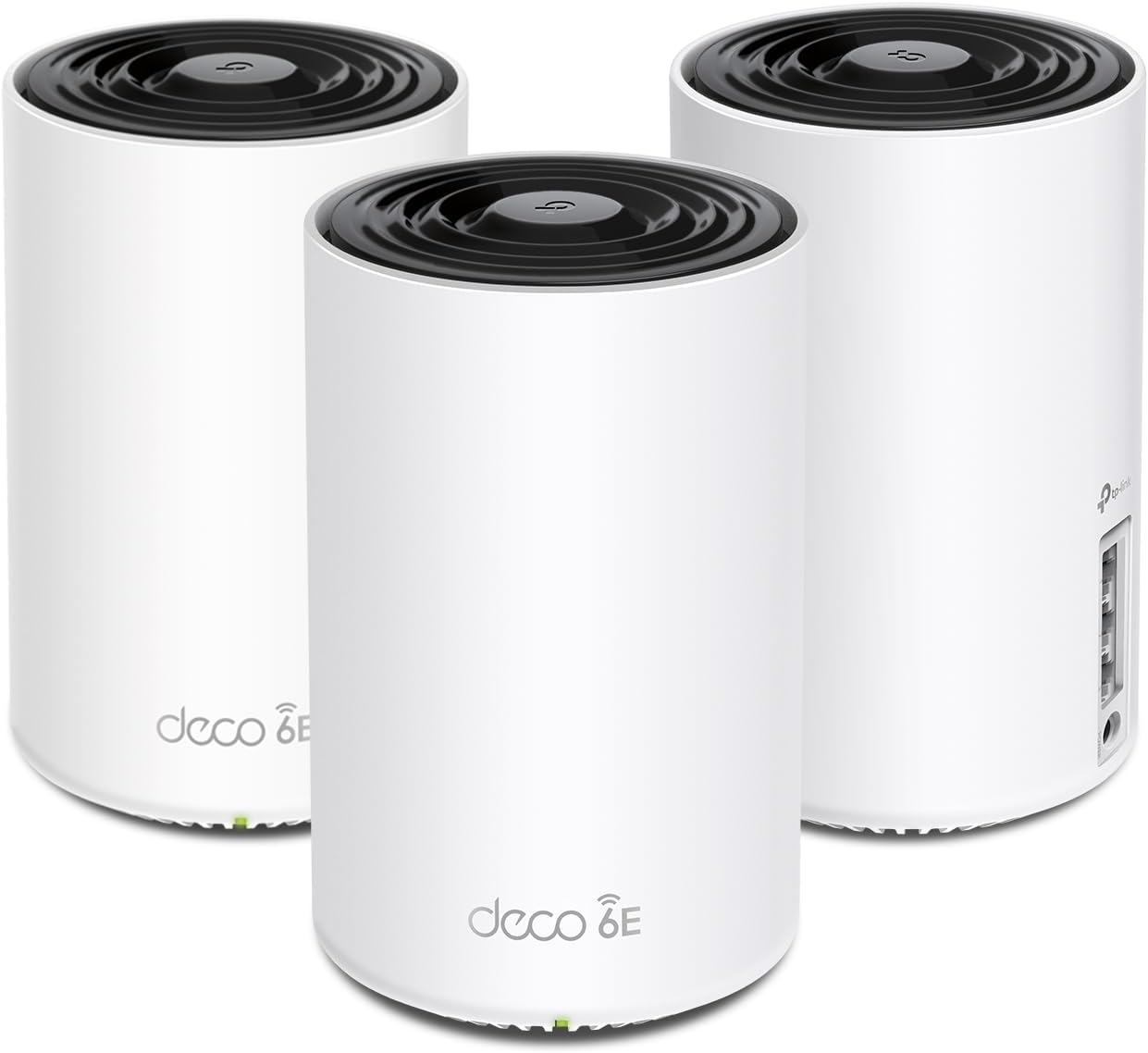
Best Mesh Wi-Fi Systems
We reviewed mesh WiFi systems across whole-home coverage reliability, backhaul technology, throughput at the edge of coverage range, setup simplicity, and parental controls depth.
Backhaul technology determines whether the mesh system actually improves speeds throughout the home or just extends range at degraded performance. Wired backhaul -- connecting mesh nodes via Ethernet -- provides full bandwidth between nodes. Wireless backhaul systems dedicate one radio band to node communication, which reduces the bandwidth available to client devices. If you can run Ethernet between nodes, wired backhaul is worth the effort for consistent whole-home performance.
Number of nodes required depends on home construction type, not square footage alone. A 2,500 sq ft wood-frame home may need 2 nodes. A 2,500 sq ft home with brick walls, metal framing, or concrete floors may need 3-4 nodes to achieve equivalent coverage. Reviews that mention specific home types and node counts in relation to actual performance are more useful than coverage radius claims.

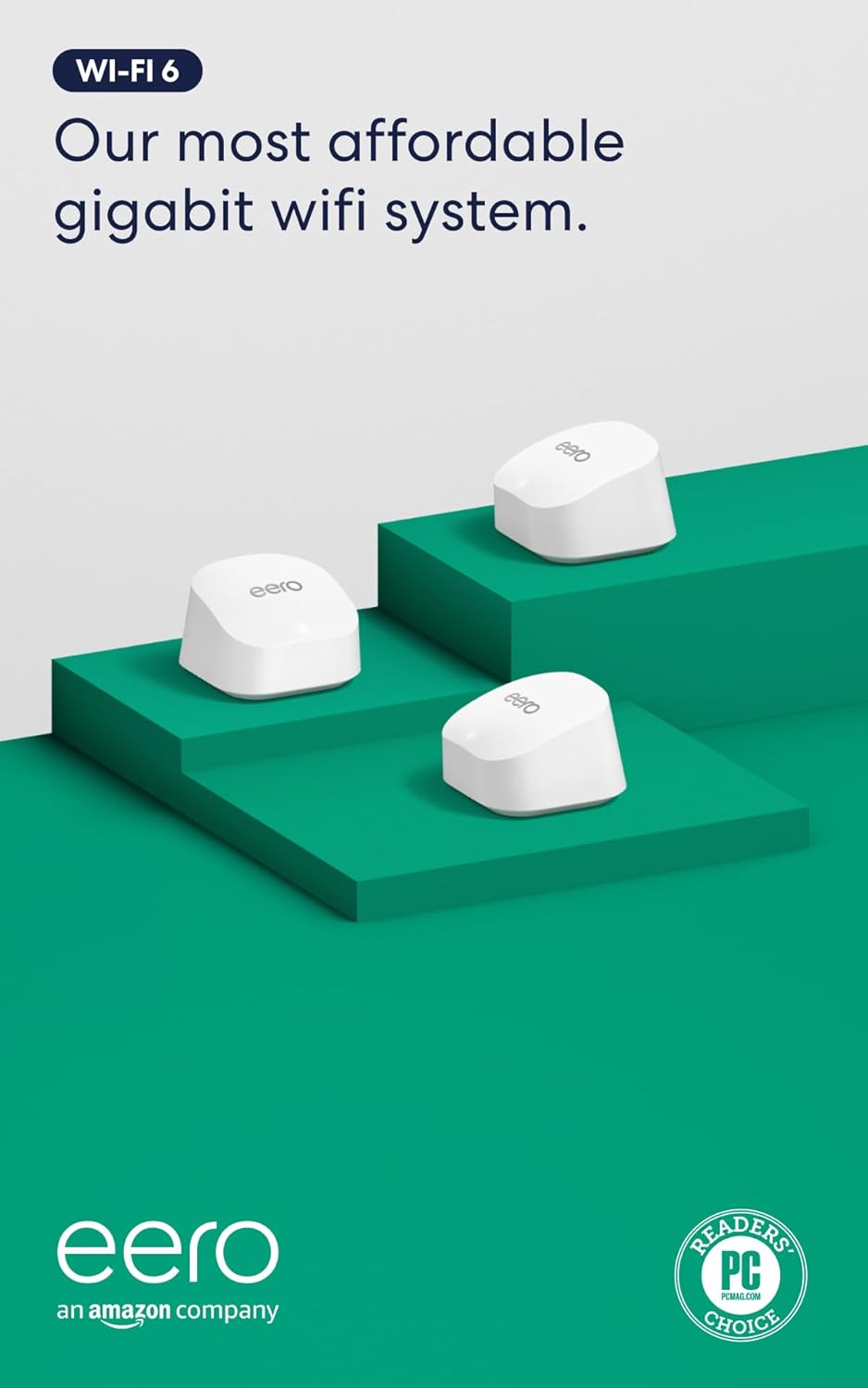 Easiest Setup
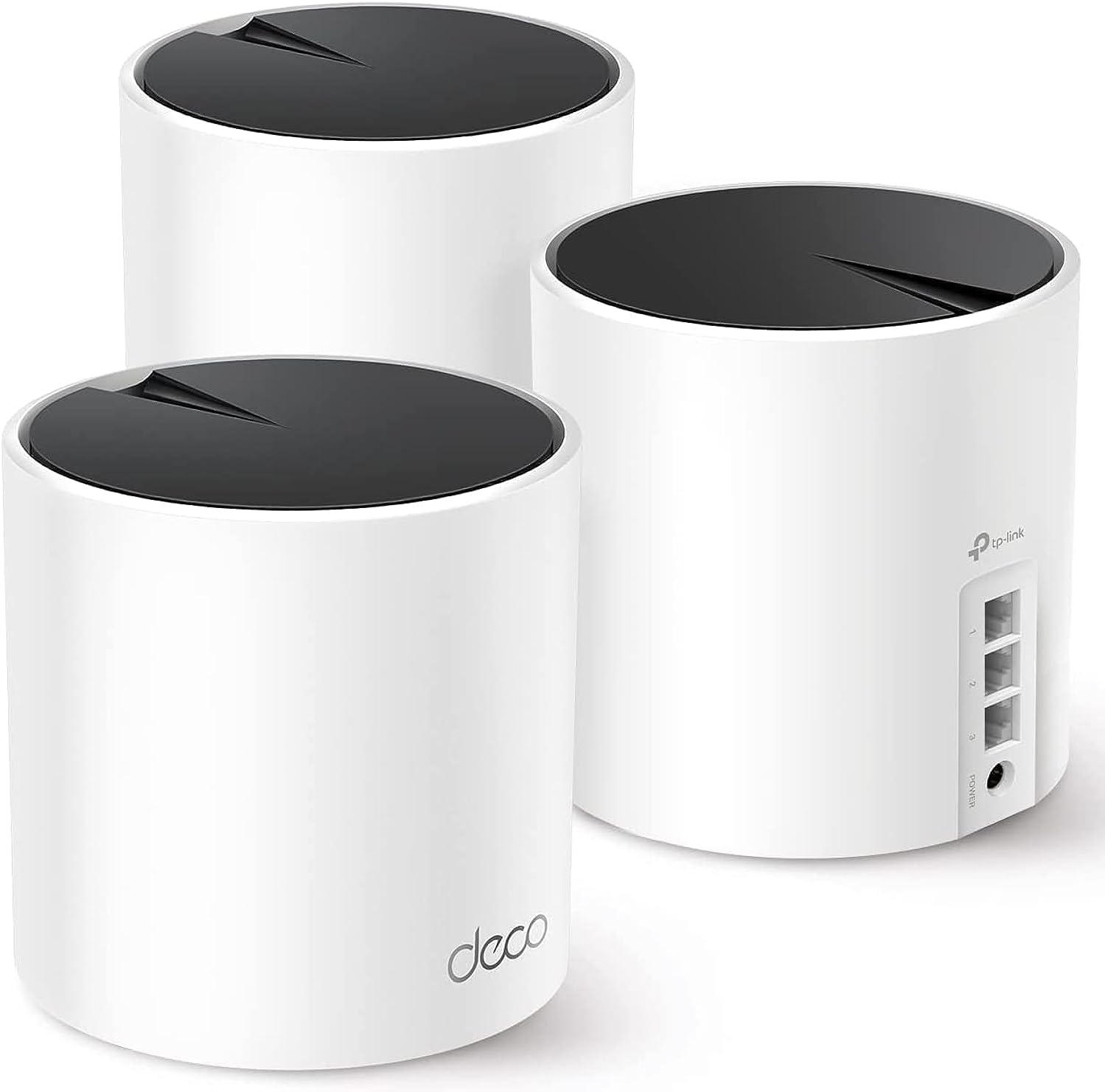 Best Value
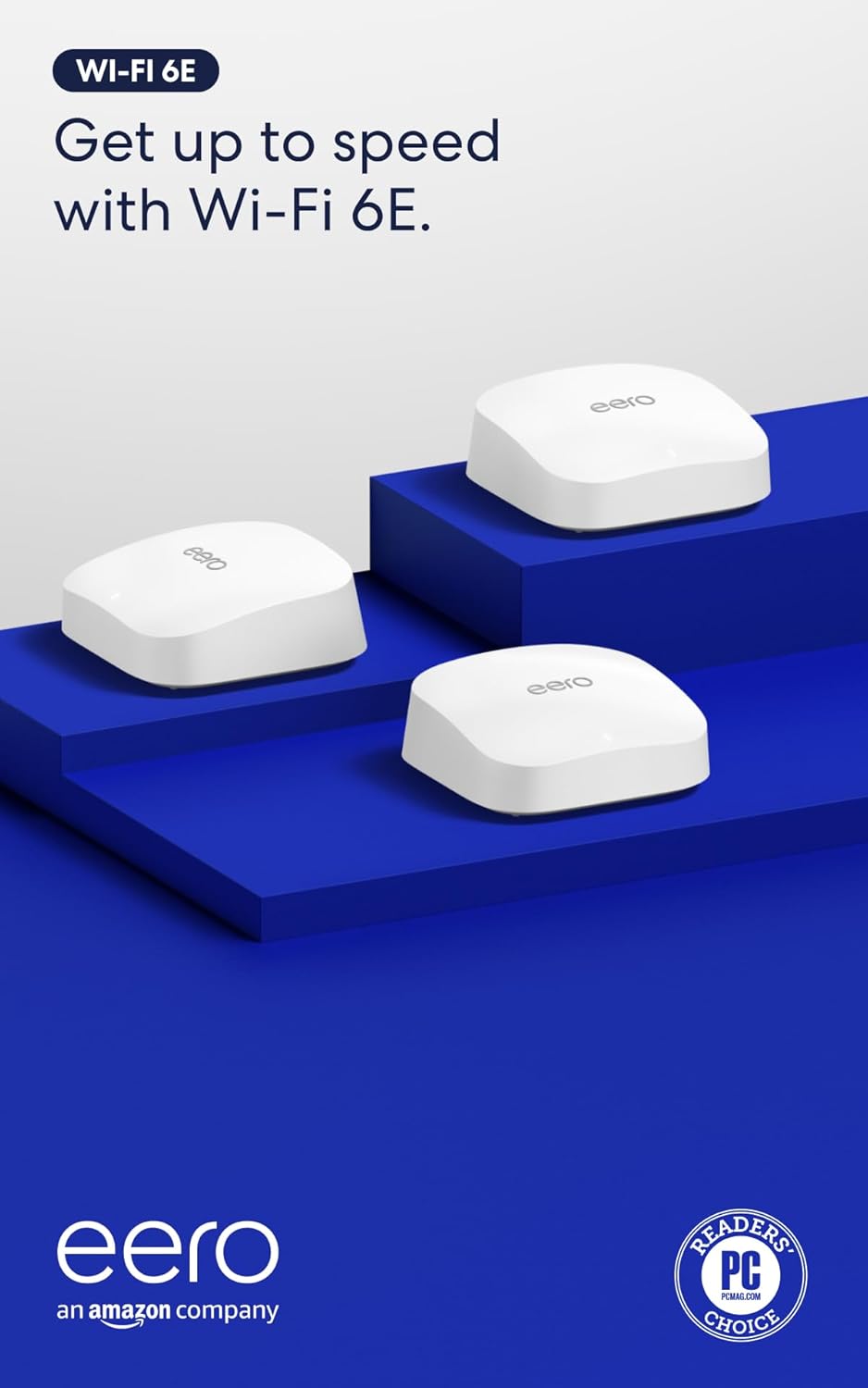 Premium Easy Setup
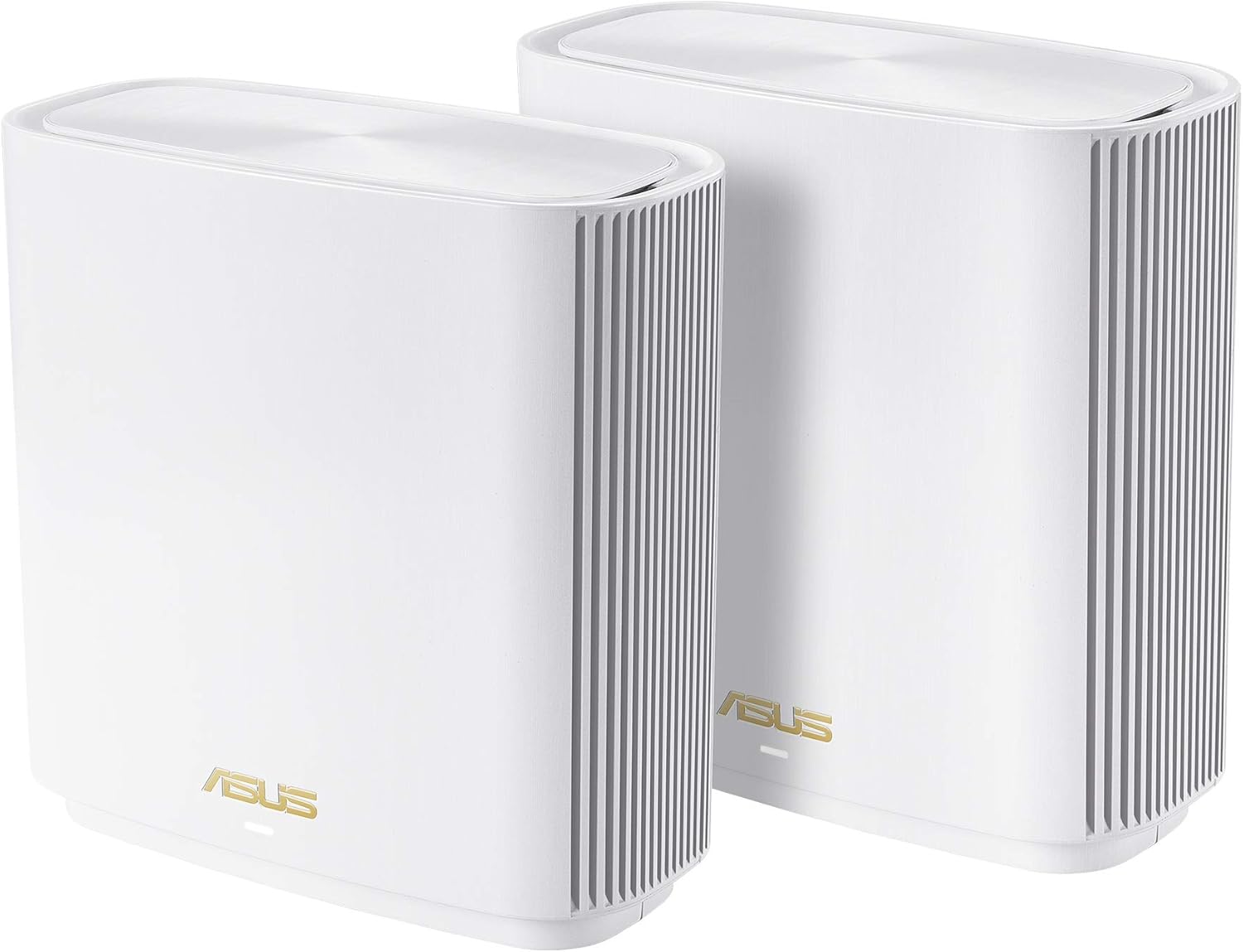 Power User Pick