KitchenAid Compact 8 Cup Grain and Rice Cooker
The KitchenAid 8 Cup stands out with an integrated digital scale that measures rice by weight rather than volume, eliminating measurement errors and producing more consistent results than cup-based systems.
- Integrated digital scale measures rice by weight rather than volume for more accurate and consistent results
- Automatic sensing adjusts cooking time and temperature based on detected rice quantity
- KitchenAid design aesthetic integrates cleanly with existing stand mixers and countertop appliances
Best For / Not For
Best for
- KitchenAid households that want a matching aesthetic and brand consistency across countertop appliances
- Precision-oriented cooks who prefer weight-based measurements over volume cups for consistent results
Not for
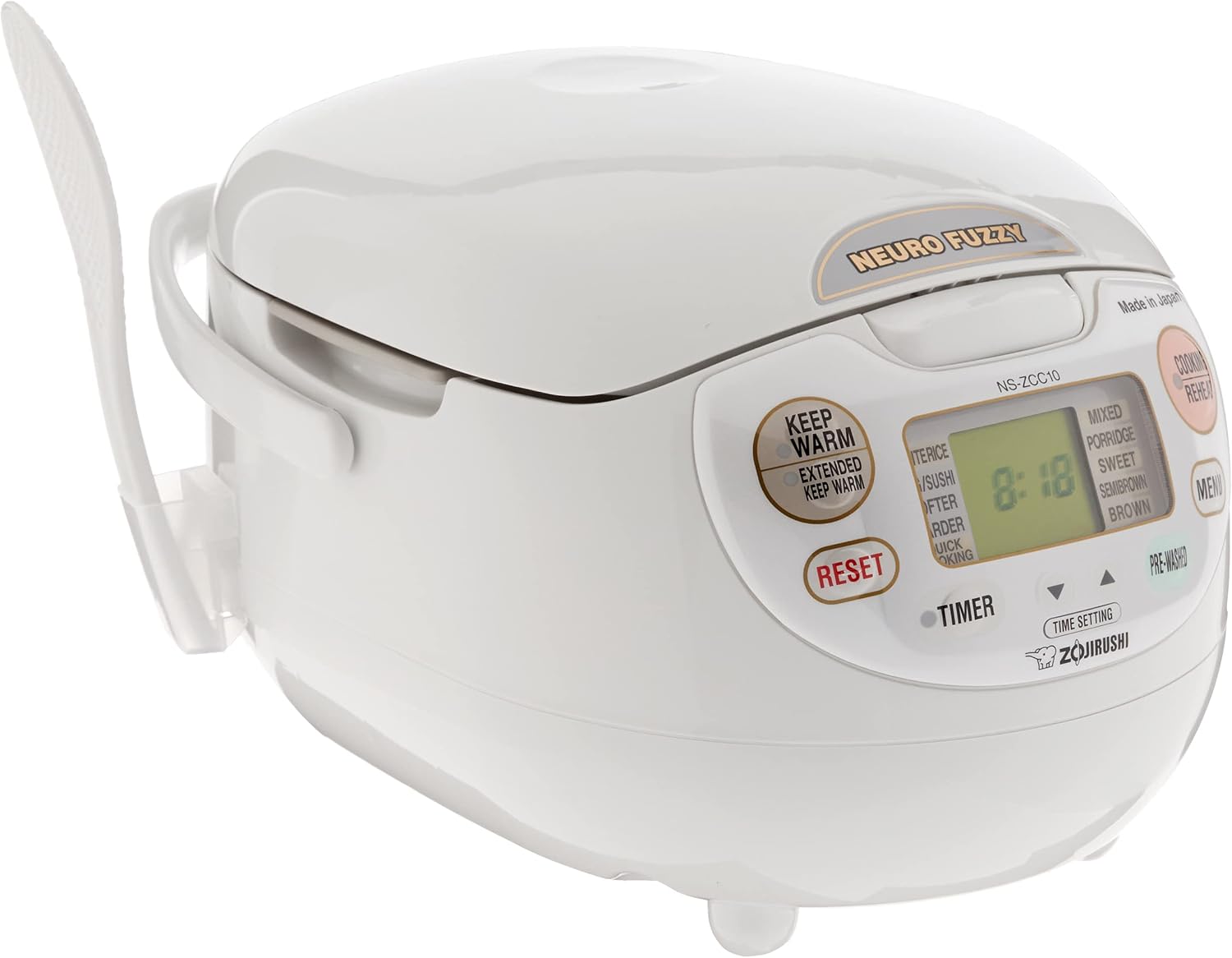
- Buyers who want the most advanced fuzzy logic algorithm -- the Zojirushi neuro fuzzy system is more refined
- Budget-conscious buyers -- KitchenAid pricing reflects the brand premium as much as the feature set
Key Details
Weight vs. Volume: Why the Integrated Scale Matters
Every rice cooker includes cup measurement lines on the inner pot, but those lines assume rice is measured by the same standardized cup every time. In practice, how firmly you pack a measuring cup, how dry or moist the rice is, and whether you level the top or leave it rounded can change the actual quantity by 10 to 15 percent. Over time, this measurement inconsistency is the most common reason a rice cooker produces great results one batch and mediocre results the next.
The KitchenAid's integrated scale removes this variable entirely. You weigh the rice directly in the pot before adding water, and the automatic sensing system calculates the correct water ratio and cooking duration from an accurate starting point. For households where rice consistency matters, weight-based measurement is simply more reliable than volume cups -- which is why professional kitchens use scales for grains as a matter of standard practice.
Pros and Cons
Pros
- Integrated scale eliminates the most common source of inconsistent rice -- imprecise cup measurement
- KitchenAid build quality and aesthetic matches the rest of the brand's countertop appliance lineup
- Automatic sensing adjusts for quantity without requiring manual menu selection for different amounts
Cons
- Fuzzy logic implementation is not as refined as Zojirushi's neuro fuzzy system for demanding rice cooks
- KitchenAid brand premium adds cost over comparable-capacity rice cookers from specialized brands
Bottom Line
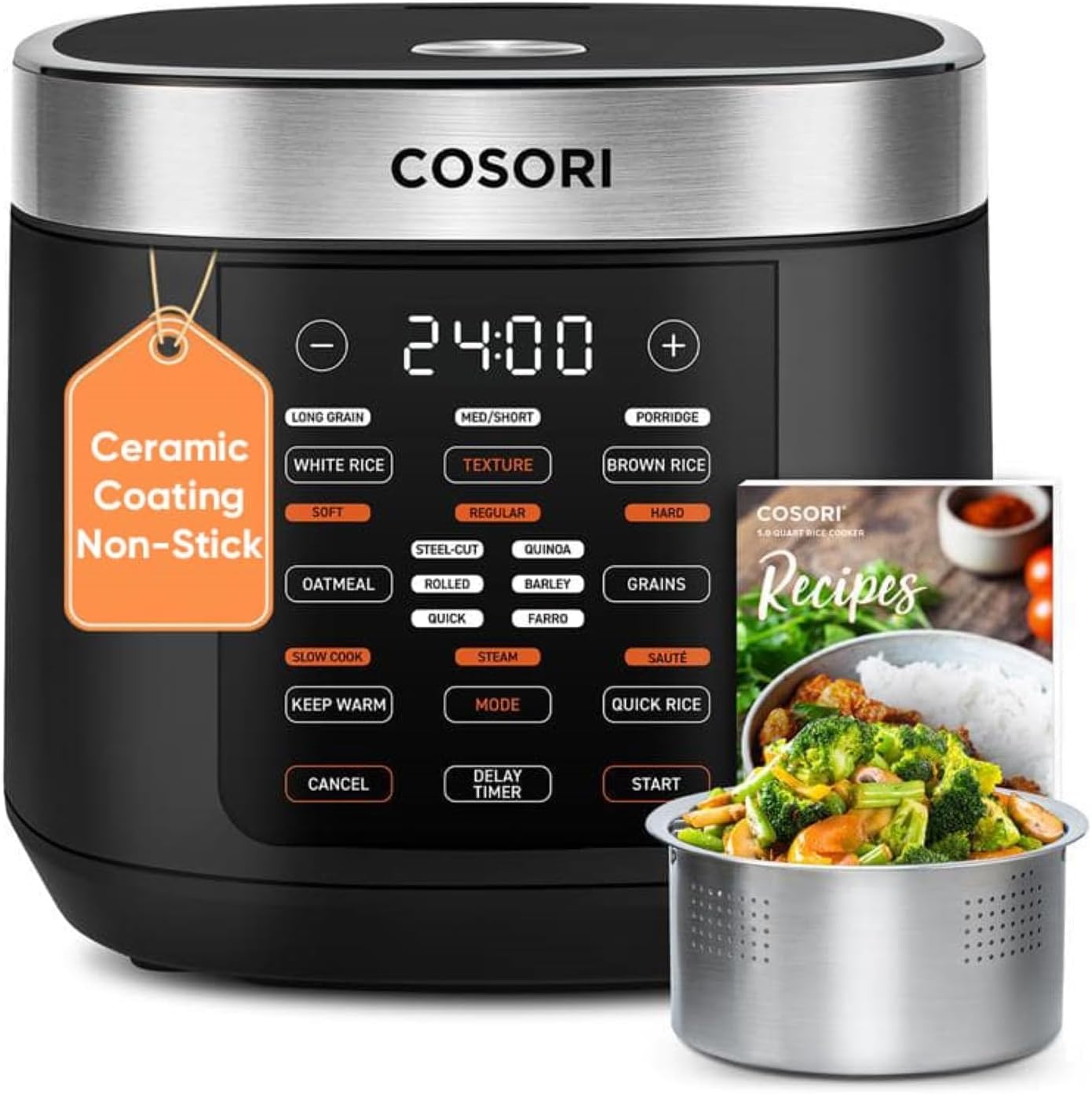
Buy the KitchenAid 8 Cup if you want an integrated scale for weight-based precision, a premium aesthetic that matches other KitchenAid appliances, and reliable automatic sensing. Choose the Cosori or Zojirushi if you want a more specialized fuzzy logic algorithm from a rice cooker-focused brand.
Check current price on Amazon