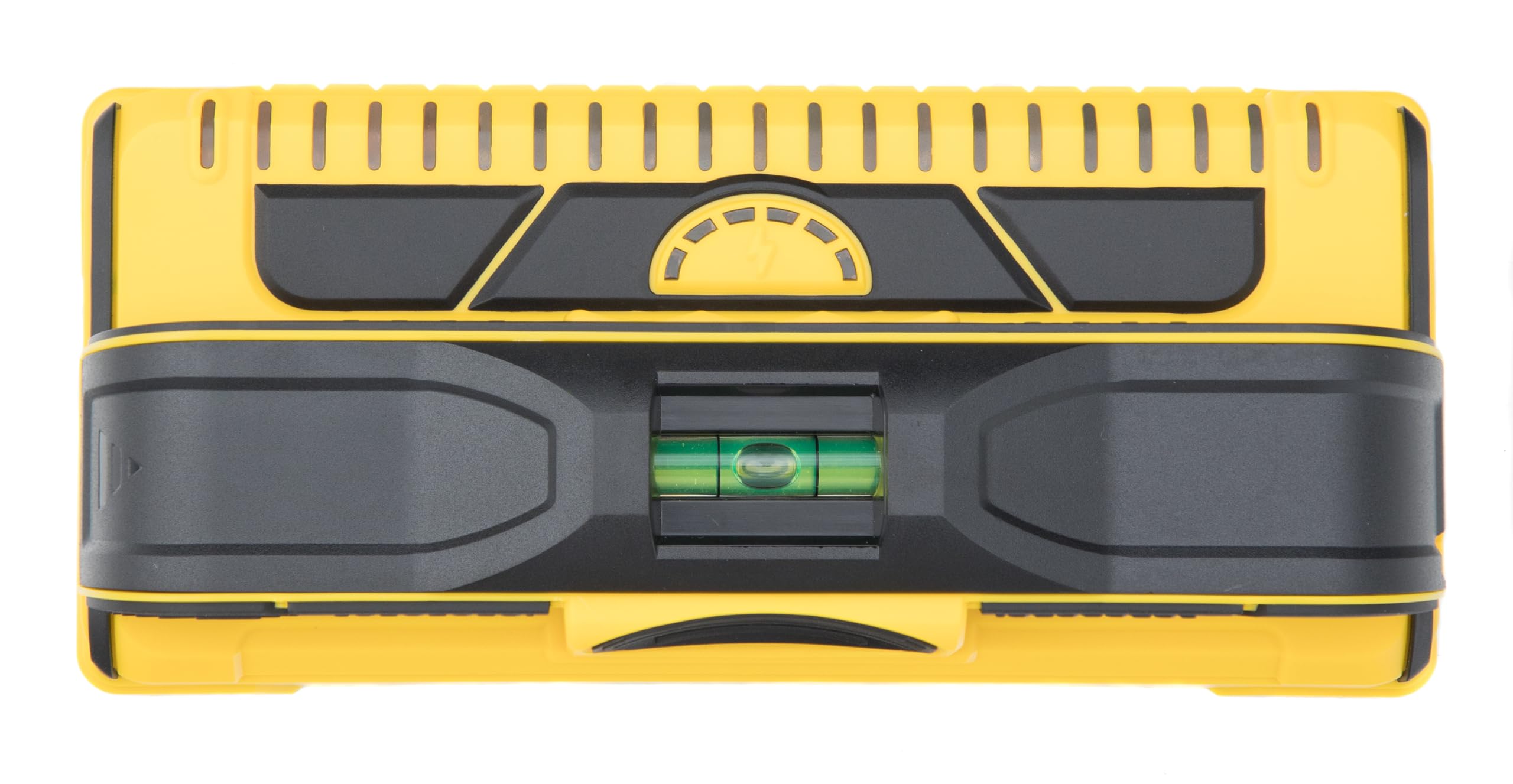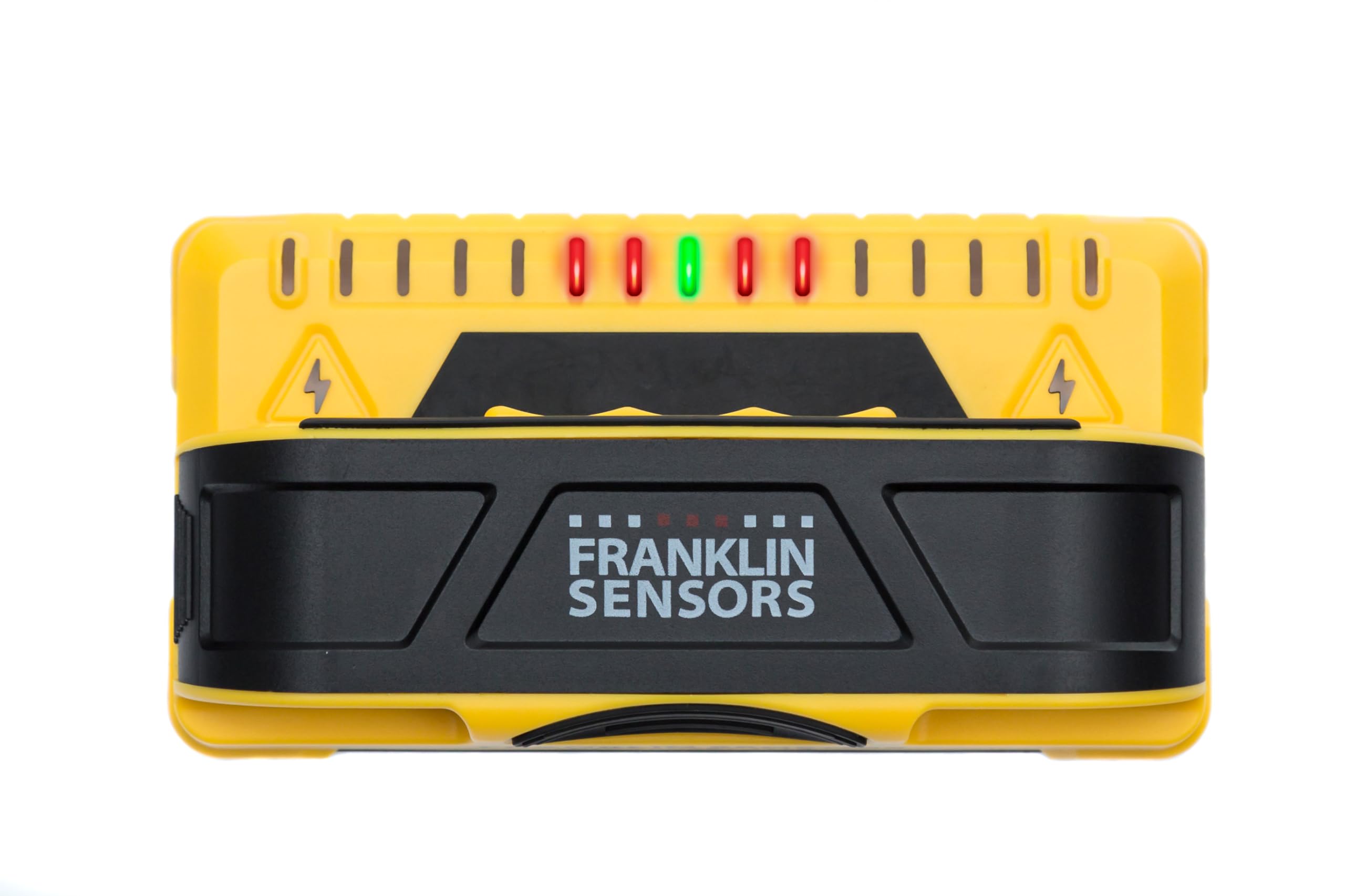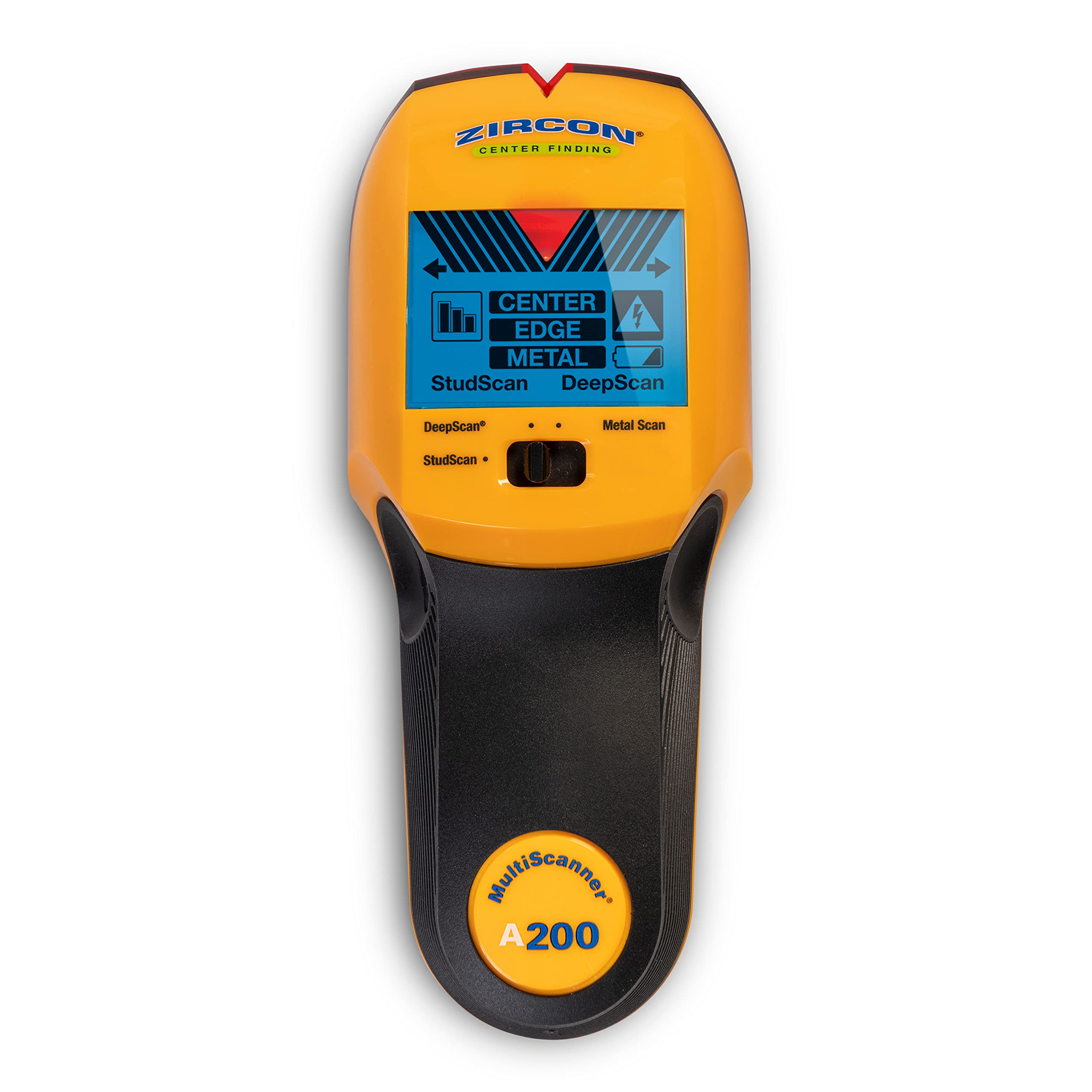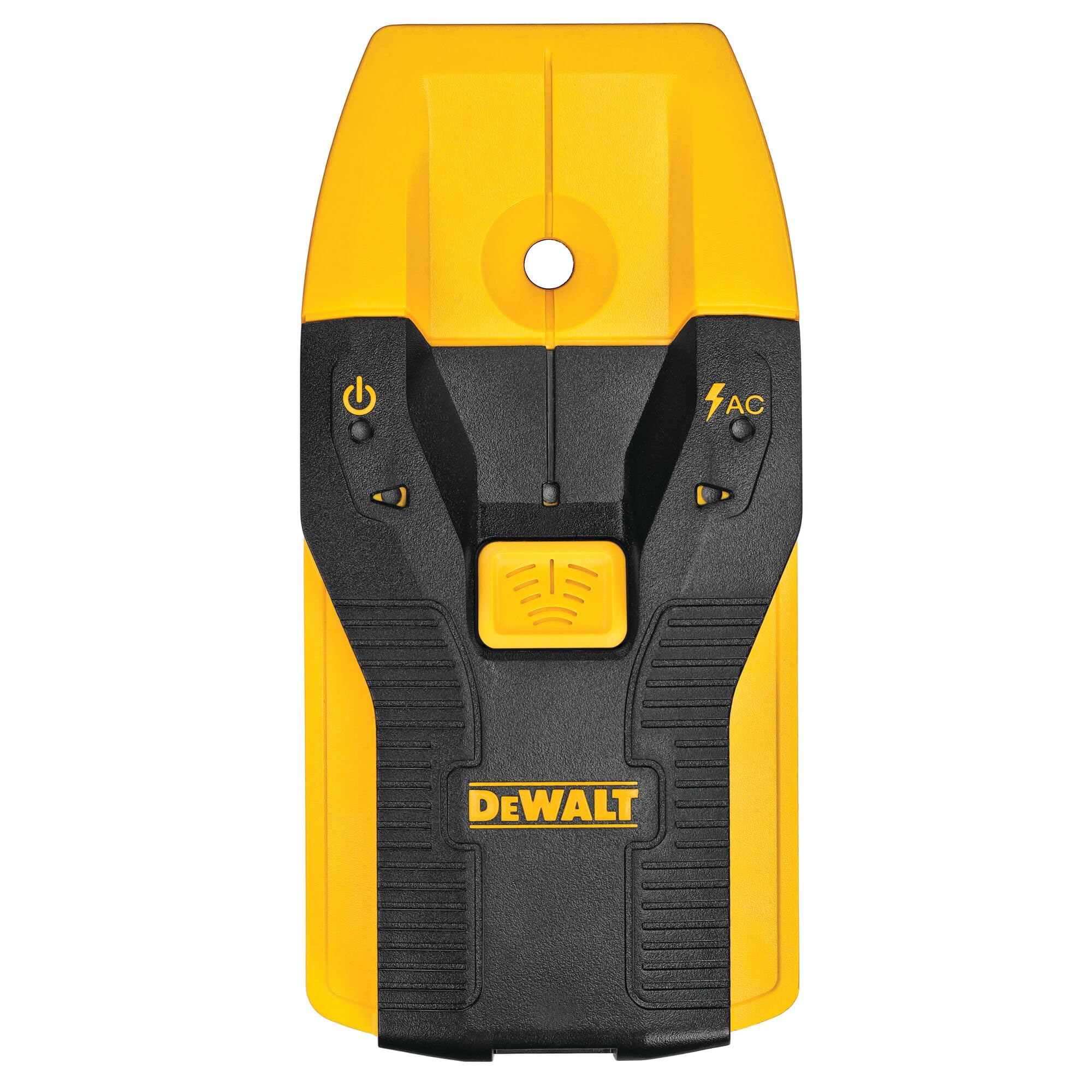
CRAFTSMAN CMHT77633 Stud Finder
A very cheap basic finder, but not the one we would trust first for heavy mounts or uncertain walls.
- Basic 3/4-inch detection is limiting
- Large review volume does not overcome project-risk limits
- Better choices exist for heavy mounts and uncertain walls
Best For / Not For
Best for
- Very light occasional use where cost is the only priority
- Backup toolbox duty for simple drywall checks
Not for
- TV mounts, cabinets, floating shelves, or handrails
- Walls where live-wire or metal detection matters
- Buyers who want the clearest stud center confirmation
Key Details
Why We Skip It for Serious Projects
The CRAFTSMAN is attractive because it is inexpensive and heavily reviewed. The problem is that stud finding gets most important when the project is expensive to fix.
For heavy mounting, a basic 3/4-inch finder gives too little feedback. A multi-sensor Franklin or a more capable Zircon scanner is the better call.
When It Is Still Usable
For a lightweight frame or a quick backup check, this can still be useful.
Just confirm from both directions, avoid drilling near electrical paths, and do not treat one pass as final proof.
Value and Verdict
Skip the CRAFTSMAN CMHT77633 for heavy mounting.
Choose the DEWALT DW0100 for a basic budget tool, or the Franklin M150 if accuracy and confidence matter.
Pros and Cons
Pros
- Low-cost option
- Very large Amazon review base
- Simple operation
Cons
- Limited detection depth
- No broad sensor array
- Not enough feedback for high-consequence drilling
- DEWALT and Franklin options are easier to recommend
Bottom Line
The CRAFTSMAN CMHT77633 is cheap enough for light backup use, but we would skip it for heavy wall mounting and buy a clearer scanner instead.