
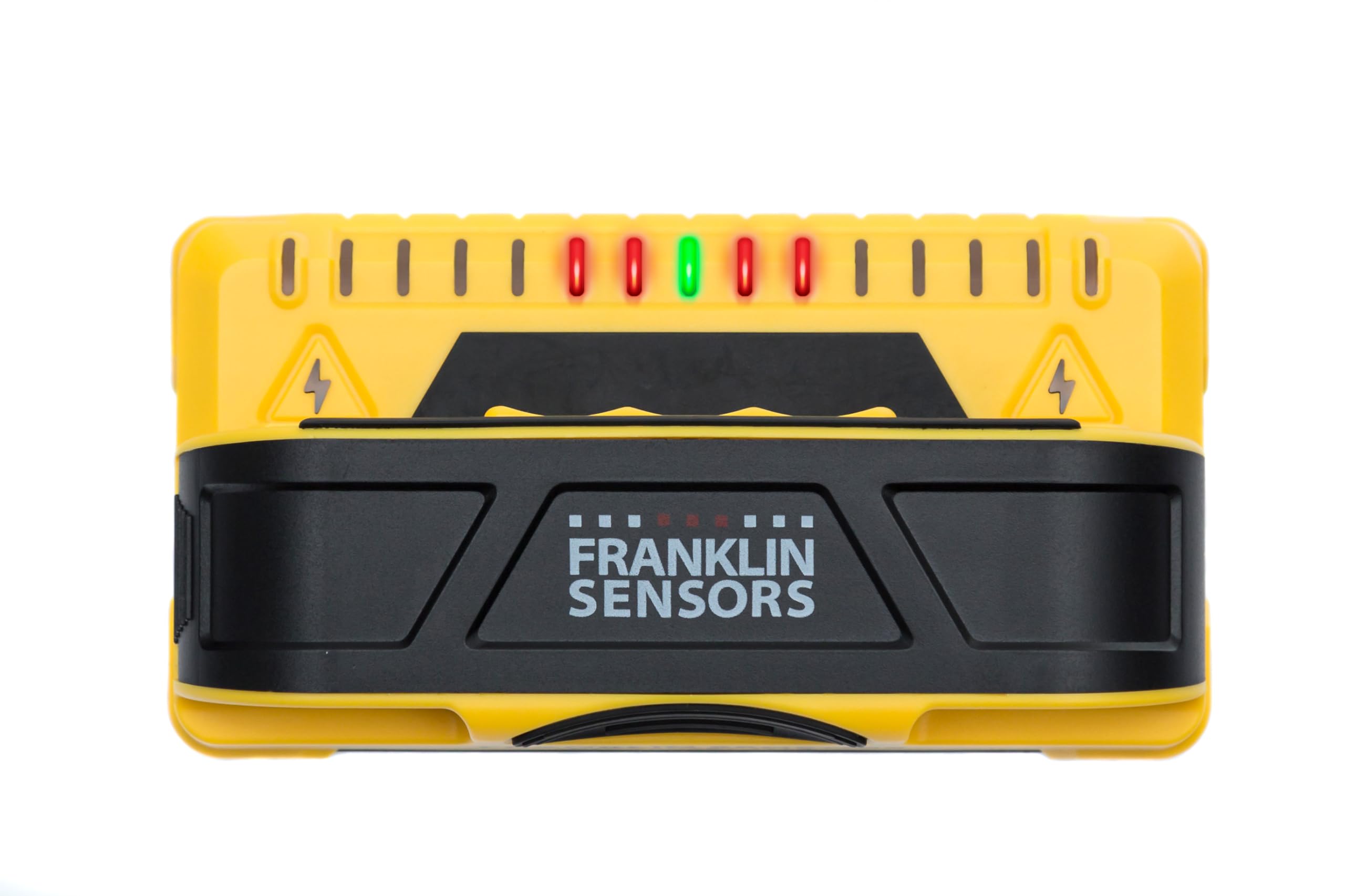
 Best Value
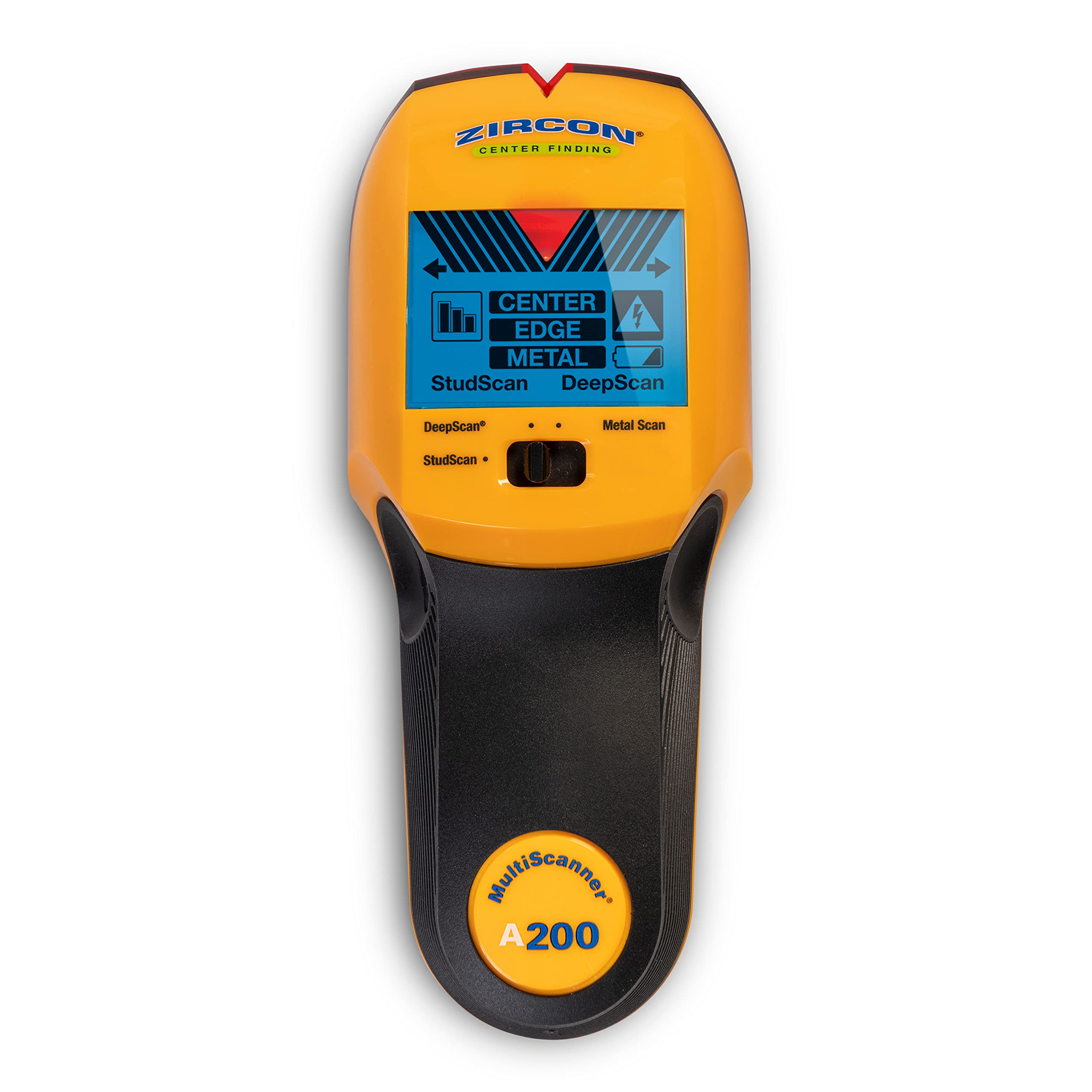 Best Metal and Wire Check
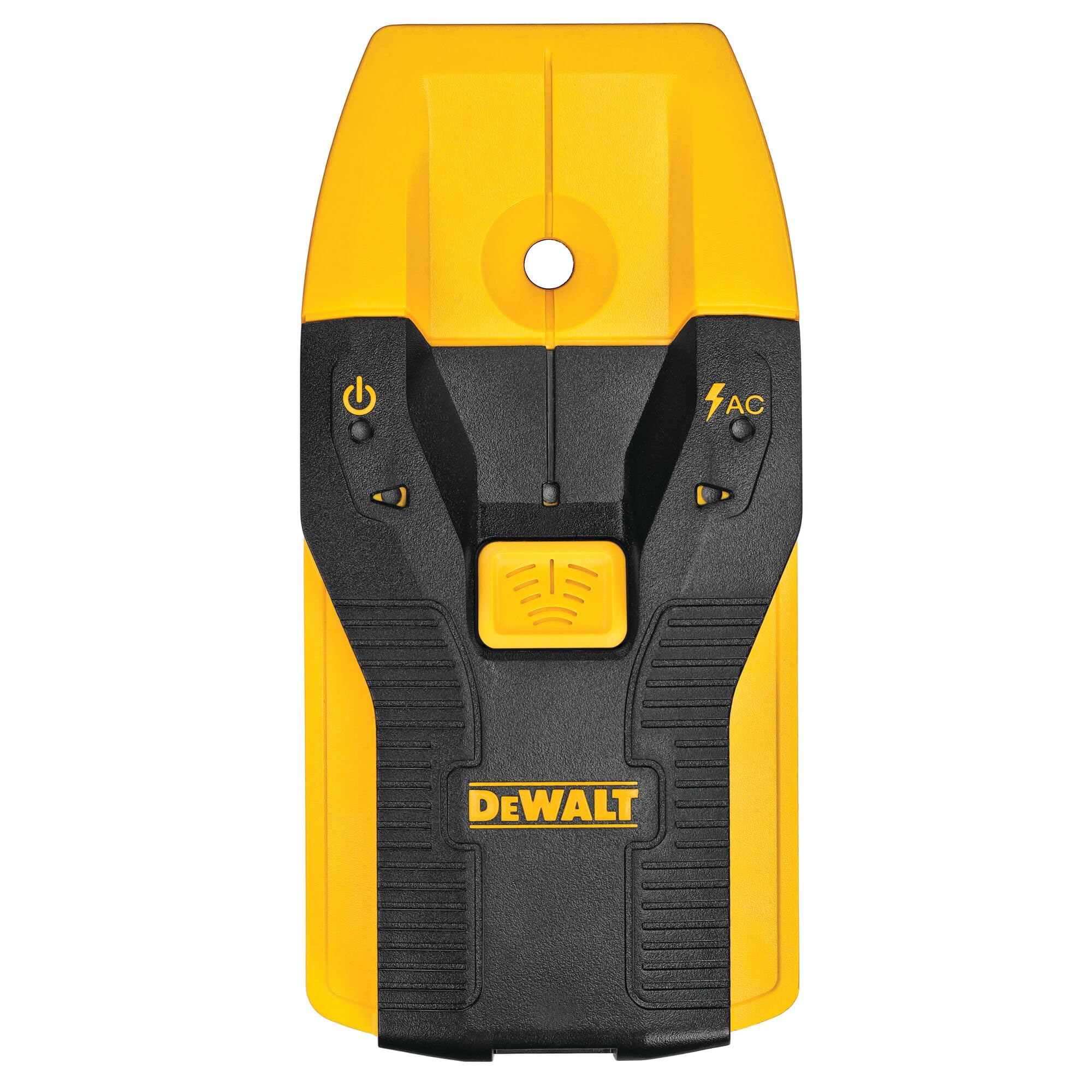 Best Budget
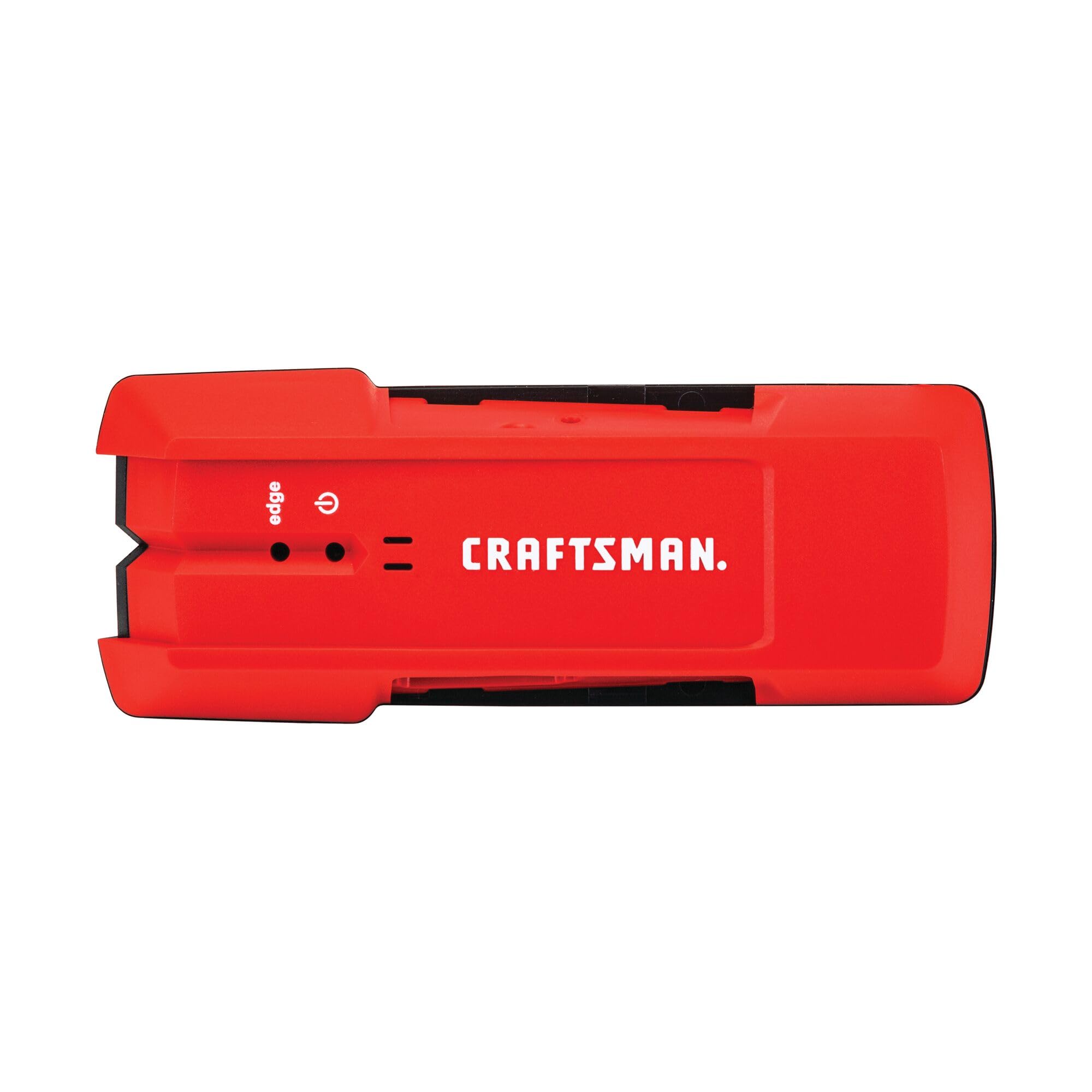 Skip for Heavy Mounting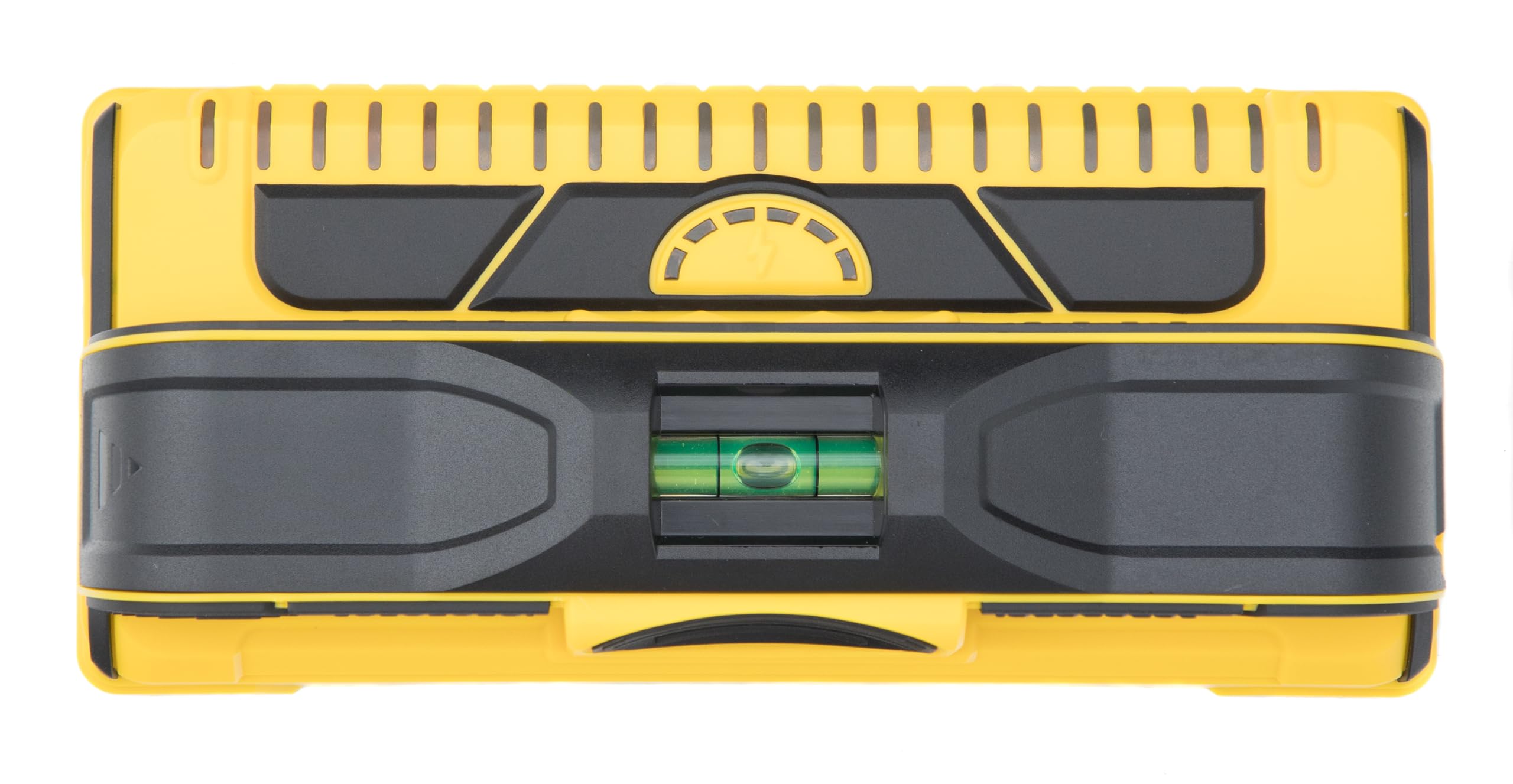
Franklin Sensors ProSensor M210 Stud Finder
The Franklin Sensors ProSensor M210 is the best overall pick because its 13-sensor layout gives a broader, easier-to-read view of the wall. Instead of slowly sweeping for one edge, you press it to the drywall and see where the stud spans. For TV mounts, shelves, cabinets, and repeat household projects, that clarity is worth the step up.
TL;DR
13-sensor array shows the full stud width
Pros
- Full-width stud display is easier to trust
- 13 sensors reduce slow calibration passes
- Live-wire alert is helpful before drilling
- Made for wood and metal stud detection
Cons
- Costs more than simple edge finders
- Larger body is less pocketable